
Meet Liliana Dias, our Expert in Compliance
Published on 24/11/2025As part of our series spotlighting the expertise, we’re delighted to introduce Liliana Dias, the Expert behind our latest compliance e-learning module collection.
In this interview, Liliana shares the core objectives of the training, explores why compliance is more critical than ever in today’s business landscape, and highlights the standards of excellence our partners and customers can expect. Whether you're a learner or an L&D professional, this conversation offers valuable tools for fostering a culture of awareness.

Could you briefly introduce yourself and your area of expertise in compliance?
I’m very glad to be invited to share my experience and professional background in the field. I am an organizational health psychologist, working for the past two decades on issues related to behaviors at work, workplace health, stress management, and more.
I collaborate with companies as well as social organizations to develop new policies and practices around compliance, ethics, and codes of conduct. The goal is to prevent harm and mental health issues, and to foster positive behaviors and best practices in management.
Beyond just being a mandatory course assigned by a manager at work, why is compliance more critical than ever in today’s business environment?
I think the business and working context have become very complex. It’s not only about technology, but also about how we communicate with others and how we ensure a fair and inclusive environment. There are many challenges when it comes to collaborating in a diverse workplace. That’s why we need to increase our sensitivity to these issues and stay alert to compliance, to rethink how we manage people at work, as well as how we engage with clients and other stakeholders.
Compliance is a broad concept and is connected to business impact. It helps us adapt with sustainability and supports the creation of a safe environment for both employees and clients.
Organizations are increasingly aware of risks, not just financial or market risks, but also people risks and behavioral challenges. It’s their responsibility to rethink policies, train employees, and shape new behaviors. This is also about transforming organizational culture, which is a long process. That’s why compliance isn’t just for you to fulfill legal requirements; it’s an ongoing effort that demands capacity building, follow-up, and measurable outcomes with a vision for your own future as a company.
What role does digital learning play in reinforcing compliance education?
Digital learning is a way to provide learning experiences, reflective engagement, and a space for people to understand the key concepts through a scientific body of knowledge presented piece by piece. It helps to provide well-curated content at scale and helps reach more people, especially when it is hard to train everyone in person. It helps create a common language within the organization.
Some companies make it mandatory during onboarding, but it can also be offered every two years to refresh the content. I think it’s very important to create this track of learning and understanding by providing different examples-- what is acceptable and what is not in terms of behavior with colleagues or clients, in relationships and communication. What feels ethical to me might be very different for others, for instance.
Can you tell us what the new compliance modules on sexual and moral harassment are about?
First of all, perhaps it is not the sexiest part of the topic but it’s actually about a preventable risk for organizations. Although it is a sensitive topic, it is important to bring it into the conversation. I want to transfer knowledge that can actually eliminate some harmful behaviors in the workplace. Secondly, the impact of the amount of damage that these behaviors can provoke on people is very high. The cost is high. Not only the individuals are victims, these behaviors also affect team dynamics and overall organizational performance.
With an informative learning approach, you can brief and train everyone in the organization to be able to identify and then react appropriately to these behaviors to help mitigate the frequency, and eventually eliminate them in the future. The goal is to address the issue in a constructive way and increase awareness through concrete actions.
This responsibility is not only for the role of leaders. Sometimes we observe such behaviors among peers. Through learning, we can focus on prevention and create this culture that reinforces the right values supported by concrete examples. You’ll then be able to ask yourself how I can easily prevent this. Although there is a focus on harassment prevention policies, it still lacks a lot of information and reinforcement. We need to curate this culture which is part of the system.
How can compliance training be adapted to resonate across different cultural and legal environments?
Of course, there are specificities across different cultures. How to handle, for instance, a harassment case within an organization may involve different sensitivities and different rules, depending on the cultural context and diversity of the workplace.
What we aim to develop through these modules is an approach grounded in broader universal values. We focus on the context of workers' rights and universal human rights, which can be correlated across cultures. There are more or less universal principles guiding us, so we’re not trying to change local rules, but rather to convey ideas and challenge people to improve working conditions.
By improving behaviors at work, you also improve overall organizational compliance. This leads to greater competitiveness, sustainability, and a more dignified vision for the future.
What makes these modules different from traditional compliance training approaches?
We try to create content that is relevant and applicable. This means providing real work scenarios and ways to challenge what is and isn’t right, and what is expected and what is not. It’s an opportunity to present real work contexts, scenarios, and examples that can offer many learning opportunities for people to follow. The courses are short and concise. Imagine you’re in a process where a compliance policy already exists—whether on harassment or other behavioral issues, you can rapidly implement it across the entire organization.
How do you see the future of compliance training evolving in the next few years?
I think in terms of learning strategy, we should focus on engagement and continue curating more relatable content. In the future, AI technology could help identify behaviors that may lead to harassment, allowing us to prevent negative actions and offer an advise in time.
Thank you, Liliana, for our valuable conversation and the passion you shared!
Let’s keep spreading awareness about harassment and work together to build a safe and respectful environment for all. Explore our new e-learning modules to deepen your understanding of harassment and discover practical tools for positive change in the workplace today.
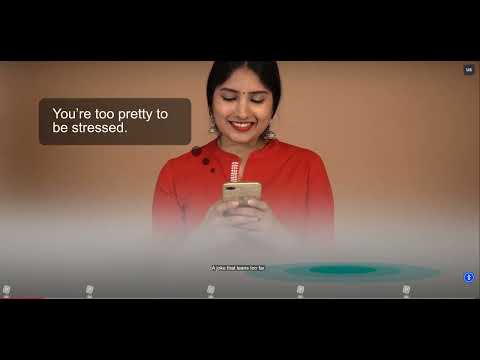
GVID039 : Sexual Harassment at Work: Know the Line
GVID040 : Moral Harassment at Work: Know the Line
Related information
To find out more about compliance and digital learning offers from Cegos, contact us.